Influence · Contemporary · 1775–1802
Turner and Thomas Girtin: The Watercolour Rival Who Died at 27
Girtin was born the same year as Turner and died at twenty-seven. The line about him having starved had Girtin lived is the most quoted thing Turner may never have said.
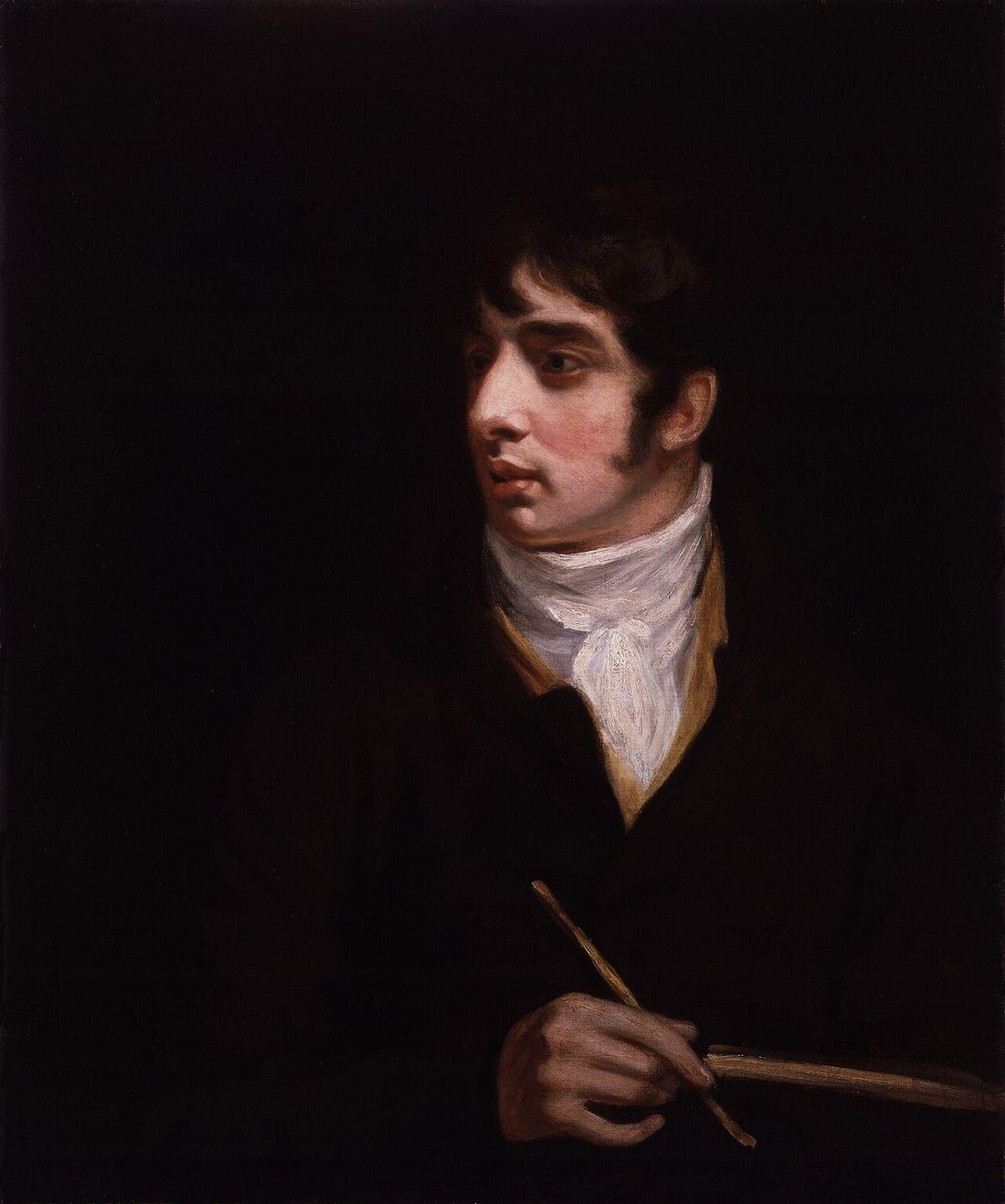

Two young watercolourists
Thomas Girtin was born in 1775, the same year as Turner, and the two young men knew each other well as teenagers. Both were working in watercolour, both were supplying the topographical market, and both were developing rapidly in the same city at the same moment, which made comparison inevitable from the start.
Their reputations then diverged in a way that had nothing to do with ability. Girtin died in November 1802, at twenty-seven, of causes variously reported and never firmly established, while Turner lived another forty-nine years, became an Academician, and had five decades in which to develop. The comparison has been unbalanced ever since.
The Monro academy
In the mid-1790s both were employed by Dr Thomas Monro, a physician and collector who ran what amounted to an evening school at his house in the Adelphi. Young artists were paid a few shillings to copy drawings from his collection, principally works by John Robert Cozens, over tea and supper.
The arrangement was formative and the division of labour is recorded: Girtin drew the outlines and Turner washed in the colour. Two painters who would each remake English watercolour spent their evenings working on the same sheets, one doing the drawing and the other the tone, for a few shillings a night.
What Girtin did differently
Girtin abandoned the standard practice of laying a grey underwash beneath his colour, working instead with broad areas of warm colour applied directly onto rough paper. The result had a weight and a directness that the tinted-drawing tradition could not achieve, and it moved watercolour decisively away from being coloured drawing.
Turner took that lesson and kept going with it for half a century. The late colour beginnings, where two or three washes establish an entire composition with no drawing at all, are a logical extension of what Girtin had started, arrived at by a painter who had the decades Girtin did not get.
The remark
Turner is supposed to have said that if Tom Girtin had lived, he himself would have starved. The line is repeated in nearly every account of either man and there is no contemporary source for it; it first appears well after both were dead. It is best treated as tradition instead of testimony.
What can be said is that Turner attended the funeral and kept a memory of the friendship. Whether he privately rated Girtin above himself is simply unknowable now, and the anecdote's persistence probably says rather more about the Victorian appetite for the doomed young genius than about either painter's actual opinion.
Where to compare them
Girtin's surviving watercolours are held mainly by the British Museum and Tate, and Turner's early sheets are in the Bequest at Tate. Seeing work by each from the late 1790s side by side is the fairest test available, because it compares them at the only point where their careers genuinely overlapped.
Questions
Did Turner really say he would have starved if Girtin had lived?
The line is attributed to him in nearly every account of either painter, and there is no contemporary source for it. It first appears well after both men were dead, so it should be treated as tradition instead of testimony. Its persistence probably reflects a Victorian appetite for the doomed young genius.
What was the Monro academy?
An informal evening school run in the mid-1790s by Dr Thomas Monro, a physician and collector, at his house in the Adelphi. Young artists were paid a few shillings to copy works from his collection, mainly by John Robert Cozens. Girtin drew the outlines and Turner washed in the colour.
How did Girtin change watercolour?
He dropped the standard practice of laying a grey underwash beneath colour and instead applied broad areas of warm colour directly onto rough paper. That gave watercolour a weight and a directness the tinted-drawing tradition could not reach, and it moved the medium away from being understood as coloured drawing.